Compare Local Contractors for Effective Flood Damage Cleanup
Compare local contractors for flood damage cleanup to define scope, verify experience, and set clear expectations before selecting the right service provider.
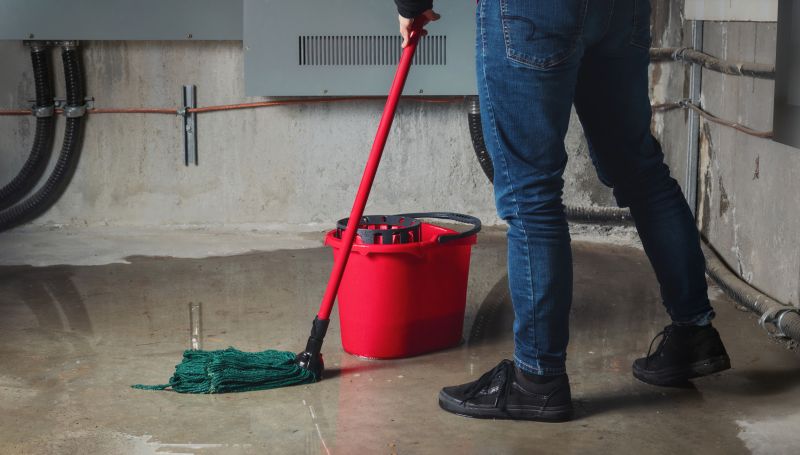
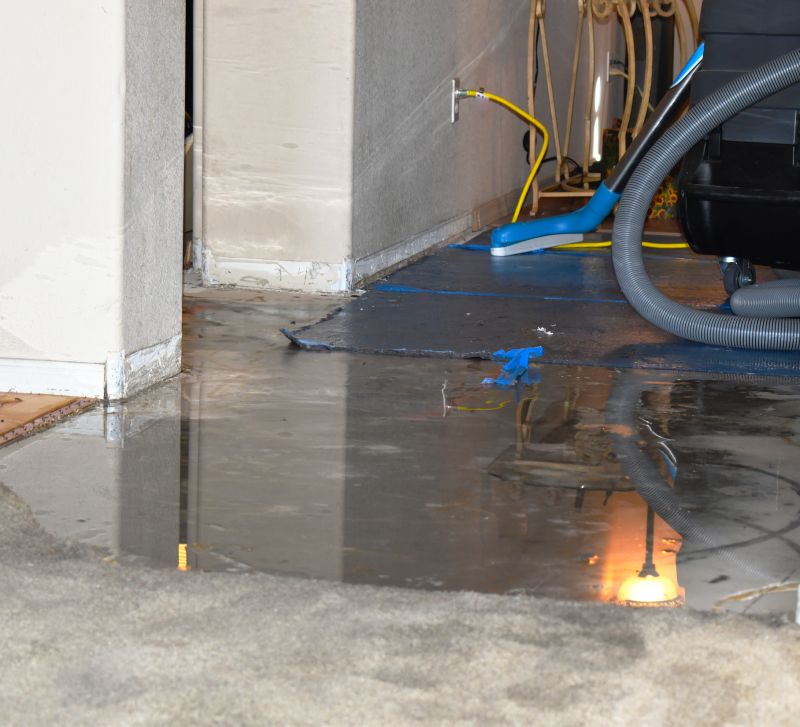
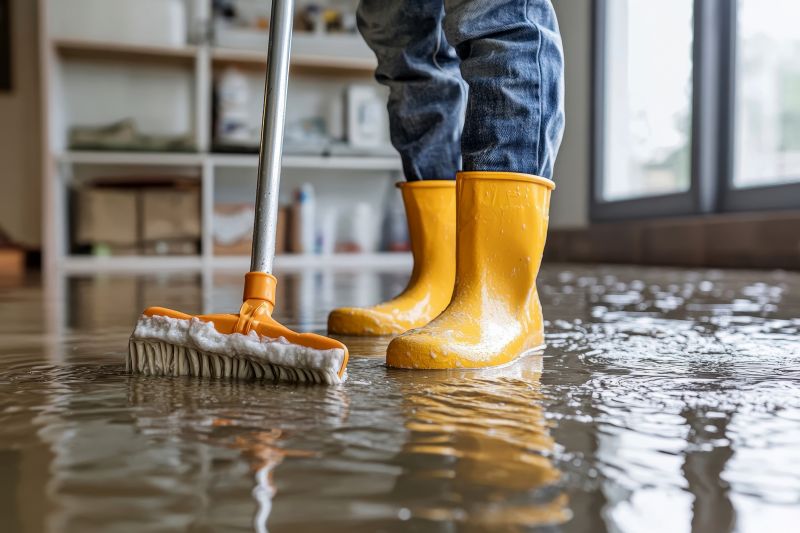
Flood damage cleanup is a comprehensive process that typically involves removing standing water, extracting saturated materials, drying affected areas, and addressing potential mold growth. Contractors in this field may also handle debris removal, sanitation, and the restoration of damaged structures and finishes. Properly managing each of these components is essential to ensure the property is thoroughly cleaned and restored to a safe, livable condition, minimizing the risk of further issues down the line.
Defining the scope of flood damage cleanup is a critical step that helps property owners understand what work is necessary and ensures that all aspects of the damage are addressed. Clearly outlining the specific tasks-such as water extraction, drying, mold remediation, and structural repairs-can prevent misunderstandings and ensure that service providers are aligned on expectations. Having a detailed scope in writing also supports effective communication and can serve as a reference throughout the restoration process.
When comparing local contractors for flood damage cleanup, property owners should consider the experience and expertise of each service provider, especially in handling similar damage scenarios. It’s helpful to review the range of services offered and verify that the contractor’s capabilities match the specific needs of the property. Additionally, obtaining detailed descriptions of the work scope and requesting references or examples of past projects can aid in making an informed decision. By evaluating these factors, property owners can select a contractor who is well-equipped to handle the job and deliver the results expected.
Compare local contractors by outlining your priorities, verifying experience, and clearly defining project scope and expectations.
- Compare Contractor Credentials - Review the experience and reputation of local contractors to ensure reliable flood damage cleanup services.
- Define Scope of Work - Clearly outline the tasks and responsibilities expected from the service providers before work begins.
- Verify Service Capabilities - Confirm that local contractors have the expertise and equipment needed for flood damage cleanup.
- Document Agreements in Writing - Ensure all project details, expectations, and responsibilities are documented to prevent misunderstandings.

Before comparing contractors for flood damage cleanup, clearly describe your project scope to ensure accurate evaluations.
- Assess the contractor’s experience with flood damage cleanup to ensure familiarity with the scope of work involved. - Verify that service providers clearly define the extent of cleanup tasks in writing before work begins.
- Compare multiple local contractors to evaluate their approaches to water removal and debris removal methods. - Ensure they have appropriate equipment and techniques suited for flood damage restoration.
- Check that the scope of work includes thorough drying, mold prevention, and moisture testing to prevent future issues. - Confirm that expectations for cleanup procedures are documented and understood.
- Review the contractor’s plan for removing contaminated materials and addressing structural damage. - Make sure the scope covers all areas affected by flooding, including hidden or hard-to-reach spaces.
- Confirm that the service provider can handle mold remediation if necessary, and that this is included in the scope of work. - Clarify what steps will be taken to prevent mold growth after water removal.
- Ensure the scope of work specifies cleanup standards and quality expectations to maintain transparency and accountability. - Set clear expectations in writing to facilitate effective project management.
Compare local contractors, verify experience, and clearly define scope to ensure effective flood damage cleanup.
Use consistent scope definitions and verify experience across service providers to ensure clear comparisons.
- Scope Definition - Clearly outline the specific tasks and areas to be addressed during flood damage cleanup.
- Experience Verification - Confirm that service providers have relevant experience in flood damage restoration projects.
- Material and Equipment Requirements - Specify the types of materials and equipment needed to effectively perform cleanup tasks.
- Work Standards and Expectations - Document the quality standards and performance expectations for the cleanup process.
- Written Agreement - Ensure all scope details and responsibilities are documented in a formal, written agreement with the service providers.
When comparing contractors for flood damage cleanup, it is important to consider their experience with similar projects. Service providers who have a proven track record handling flood-related issues are more likely to understand the specific challenges involved, such as water extraction, mold prevention, and structural drying. Asking about the types of flood damage they have managed can help gauge their familiarity with the process and ensure they have relevant hands-on experience. This background can contribute to a smoother cleanup process and reduce the risk of overlooked issues.
A clear, written scope of work is essential when evaluating flood damage cleanup contractors. A detailed description of the tasks to be performed, including water removal, debris removal, drying procedures, and mold prevention measures, helps establish mutual understanding and sets expectations. Avoid vague statements; instead, seek contractors who can provide a comprehensive outline of the work involved. Having this scope in writing ensures that both parties agree on what will be done, which can prevent misunderstandings and ensure the project stays on track.
Verifying the basic credentials of service providers is a key step in the comparison process. While licensing and certification are not mandatory, it’s useful to confirm that contractors are properly insured and have a history of completing similar flood cleanup projects. Requesting references or reviews from past clients can provide insights into their reliability and quality of work. Additionally, checking for any complaints or disputes can help identify contractors who consistently meet professional standards and deliver satisfactory results.
When evaluating different flood damage cleanup options, focus on how well the contractors’ proposals align with your project’s needs and expectations. Review their scope of work, experience, and verification details carefully, and ask clarifying questions to fill in any gaps. Avoid making decisions based solely on presentation or reputation; instead, prioritize those who provide thorough, transparent information and demonstrate a clear understanding of your specific situation. This approach can help ensure that the selected service provider is well-equipped to handle the job effectively.
Ask contractors to provide written scope of work to ensure clarity and consistent expectations throughout the project.
- Experience and Expertise - What specific experience do the service providers have with flood damage cleanup in similar situations?
- Scope of Services - How do the contractors define the scope of work needed for effective flood damage restoration?
- Comparison of Services - What services are included or excluded when comparing different local contractors for flood cleanup?
- Work Scope Documentation - Are the project scope and expectations clearly outlined and documented in writing?
- Specialization and Capabilities - Do the service providers have specialized equipment or techniques suited for your specific flood damage needs?
How can I compare flood damage cleanup contractors? Reviewing multiple local service providers’ experience, scope of work, and customer feedback can help in making an informed comparison for flood damage cleanup projects.
What should I consider when defining the scope of flood cleanup work? Clearly outlining the affected areas, types of damage, and specific cleanup tasks ensures contractors understand the project requirements and can provide accurate assistance.
How do I verify the experience of flood damage cleanup contractors? Asking potential contractors about their previous work with similar flood damage cases and requesting references can help assess their expertise and reliability.
Why is it important to get the scope of work in writing? Having a detailed written agreement helps set clear expectations, prevents misunderstandings, and provides a reference for the completed work.
What questions should I ask contractors during the selection process? Inquire about their approach to flood damage cleanup, the steps they take, and how they handle unforeseen issues to ensure their methods align with project needs.
How can I ensure the contractor I choose is suitable for my flood damage cleanup? Comparing their experience, scope of work, and written agreements can help determine if a contractor is well-suited to handle the specific requirements of the job.
This page has provided an overview of how to find and evaluate contractors for flood damage cleanup. Visitors have learned the importance of defining the scope of work, verifying the experience of service providers, and setting clear expectations in writing. Comparing multiple local contractors can help identify options that meet specific needs and preferences, ensuring a thorough and informed selection process.
To explore local service providers capable of handling flood damage cleanup, using the quote form can be an effective step. It allows for easy comparison of options, helping to connect with experienced contractors in the area. Taking the time to gather information and clarify details can support a well-informed decision tailored to individual circumstances.