Compare Local Contractors for Water Extraction Services
Compare local contractors to define project scope, verify experience, and set clear expectations for effective water extraction service.
Water extraction services typically involve removing excess water from properties affected by flooding, leaks, or other water-related incidents. These contractors use specialized equipment to efficiently extract water from carpets, flooring, and structural elements. The scope of work can also include drying out affected areas, dehumidification, and assessing potential damage to prevent mold growth or further deterioration. Understanding what a water extraction project entails helps property owners ensure that all necessary steps are addressed to restore the space effectively.
Defining the scope of work is essential when working with contractors for water extraction. Clear communication about the areas needing attention, the extent of water intrusion, and any additional services required can help prevent misunderstandings and ensure that the project meets expectations. It’s important to document the agreed-upon scope in writing, including specifics about what will be done and what will not. This clarity helps property owners compare different service providers and select those who can deliver the services needed without ambiguity.
When evaluating local contractors for water extraction, property owners should consider their experience with similar projects and verify their reputation within the community. Comparing service providers involves reviewing their scope of work, the equipment they use, and their approach to handling water damage. It’s also helpful to ask for references or examples of past work to gauge their reliability and professionalism. By taking these steps, property owners can make informed decisions and connect with service providers who are equipped to handle the specific needs of their property.
Compare local contractors by outlining priorities, verifying experience, and setting clear expectations in writing.
- Compare Contractor Experience - Review the background and past work of local contractors to ensure they have relevant water extraction expertise.
- Define Project Scope Clearly - Communicate your specific water removal needs to help contractors provide accurate assessments.
- Verify Service Provider Credentials - Confirm that local contractors have the necessary experience and proper credentials for water extraction jobs.
- Document Expectations in Writing - Ensure all project details, scope, and responsibilities are clearly outlined in written agreements.
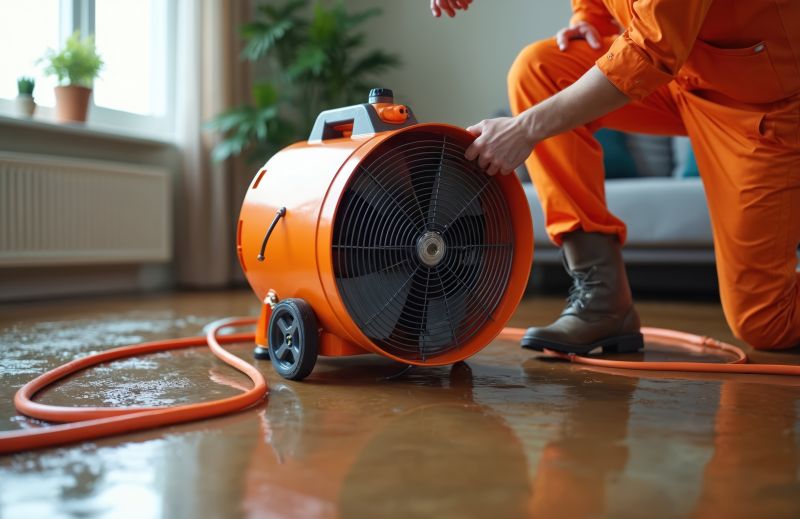
Clearly describe your water extraction project to help compare local contractors, verify experience, and set expectations in writing.
- Verify the experience and reputation of local contractors specializing in water extraction services. - Ensure contractors clearly define the scope of work and the methods they will use to extract water effectively.
- Compare the services offered by different local service providers to ensure they meet your specific needs. - Look for detailed descriptions of the water removal process and any additional services included.
- Check that contractors provide written estimates or scope of work agreements to set clear expectations. - Confirm that all job details, responsibilities, and responsibilities are documented in writing.
- Assess the availability of local contractors who have handled similar water extraction projects successfully. - Seek out references or reviews that demonstrate experience with comparable situations.
- Ensure that service providers follow proper procedures to prevent further damage or mold growth after water removal. - Look for information on their approach to drying, sanitizing, and preventing secondary issues.
- Compare the warranties or guarantees offered by different local contractors for their water extraction work. - Understand what coverage or follow-up services are included to ensure peace of mind.
Compare local contractors, verify their experience, and clearly define your scope to ensure effective water extraction.
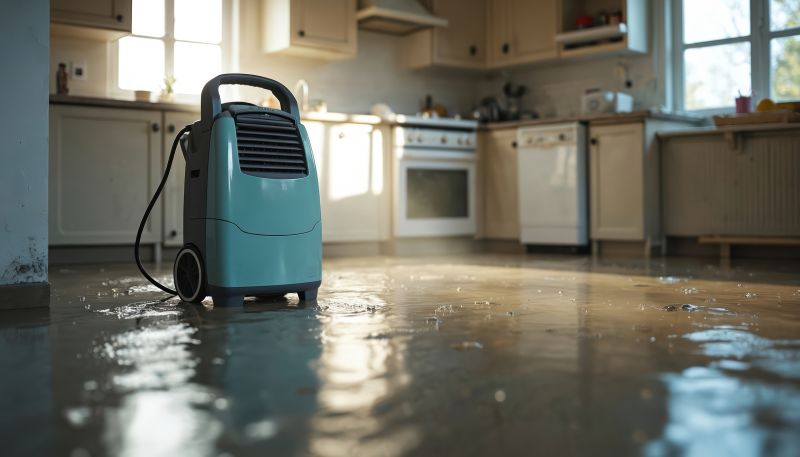
Use consistent comparison criteria across local contractors by clearly defining scope, verifying experience, and setting expectations in writing.
- Define scope of water extraction - specify the areas and extent of water removal required.
- Identify experience with similar jobs - verify that service providers have handled comparable water extraction projects.
- Clarify methods and equipment used - ensure the techniques and tools align with the specific water removal needs.
- Establish written expectations and deliverables - document the scope, procedures, and responsibilities clearly.
- Compare local contractors - evaluate multiple service providers based on expertise, reputation, and scope of work.
When comparing contractors for water extraction services, it’s important to consider their experience with similar projects. Homeowners should inquire about the types of water damage cases the service providers have handled, such as basement floods, pipe bursts, or appliance leaks. Contractors with a history of successfully managing comparable situations are more likely to understand the specific challenges involved and deliver effective results. Gathering information about their previous work can help ensure that the chosen service providers have relevant hands-on experience, reducing the risk of unforeseen complications during the process.
A clear, written scope of work is a vital aspect of evaluating water extraction contractors. Homeowners should seek detailed descriptions of the services included, such as the extent of water removal, drying procedures, and any additional restoration tasks. A comprehensive scope helps set realistic expectations and provides a basis for comparing different service providers’ offerings. It also serves as a reference point for any future discussions or adjustments, ensuring that both parties are aligned on what the project entails and what will be delivered.
Verification basics are essential when assessing potential contractors for water extraction. Homeowners should verify that the service providers have a consistent record of completing similar projects successfully, which can often be confirmed through references or case histories. It’s also helpful to review whether the contractors follow standard procedures for water removal and drying, such as the use of appropriate equipment and techniques. While formal licensing or certification may not be a requirement in all areas, checking for local reputation and consistent work history can provide confidence in their ability to handle the job effectively.
Evaluating options without focusing on prices involves examining the quality and clarity of each contractor’s proposal. Homeowners should compare the level of detail in scope descriptions, the experience and background of the service providers, and how well their approach aligns with the specific needs of the project. Asking service providers about their process, equipment, and previous project types can help identify those with the right expertise. By focusing on these factors, homeowners can make informed decisions based on the professionalism and thoroughness of each contractor’s approach, rather than solely on cost considerations.
Ask contractors to provide written scope details to ensure clear expectations and consistent work quality.
- Experience and Expertise - What specific experience do local contractors have with water extraction projects similar to yours?
- Scope of Work - How do contractors define the scope of water extraction services to ensure all areas are addressed?
- Services Offered - What types of water extraction methods and equipment do service providers typically use?
- Scope Clarification - How do contractors clarify the extent of work included and any potential additional services?
- Written Agreements - Do service providers provide detailed, written descriptions of the scope and expectations before starting?
How can I compare water extraction contractors effectively? It’s helpful to review their experience, verify references, and clearly define the scope of work to ensure they meet specific project needs.
What should I consider when choosing a water extraction service provider? Look for local contractors with a solid reputation, transparent communication, and a detailed written agreement outlining the work to be performed.
How do I verify the experience of a water extraction contractor? Request information about their past projects, ask for references, and confirm their familiarity with the type of water removal needed for your situation.
Why is it important to have the scope of work in writing? A written scope helps set clear expectations, prevents misunderstandings, and provides a basis for accountability throughout the project.
What questions should I ask a water extraction contractor before hiring? Inquire about their process, experience with similar jobs, equipment used, and how they handle potential complications that may arise during water removal.
How can I ensure a water extraction contractor is suitable for my needs? Compare their experience, reviews, and the clarity of their communication, and make sure they can provide a detailed plan in writing that aligns with your expectations.
This page has provided an overview of how to evaluate water extraction contractors, including ways to compare local service providers, understand the scope of work, verify experience, and establish clear expectations in writing. Taking the time to gather information and clarify details can help ensure the chosen contractor aligns with specific needs and project requirements. Using the quote form to explore options allows for an informed comparison of available local contractors.
By utilizing the provided quote form, visitors can connect with local contractors who specialize in water extraction services. This process offers an opportunity to review different service providers, define project scope, and verify experience-all key steps toward selecting a suitable partner for the job. Comparing options through this platform helps in making a well-informed decision based on individual project considerations.