Spring Basement Drying Solutions with Local Service Providers
Spring is an ideal time to connect with local contractors who can help dry out your basement and restore a healthy, stable space.
Spring is a popular season for basement drying projects because the warmer weather and increased humidity levels can highlight existing moisture issues. As outdoor conditions become more favorable for home improvement work, property owners often take the opportunity to address lingering dampness, mold, or water damage that may have developed during the wetter months. Planning basement drying services during spring allows homeowners to prepare their spaces for the upcoming seasons, ensuring that moisture problems do not worsen and that the basement remains a dry, usable area throughout the year.
Typically, basement drying services cover a range of solutions designed to remove excess moisture, reduce humidity, and prevent future water-related issues. Service providers may use specialized equipment such as industrial dehumidifiers, high-powered fans, and moisture meters to assess the extent of dampness and implement effective drying strategies. The scope of work often includes cleaning and sanitizing affected areas, addressing sources of ongoing moisture intrusion, and providing recommendations for ongoing maintenance to keep basements dry and free from mold growth.
Property owners seeking basement drying services can compare local options by considering the experience and reputation of nearby contractors, the scope of services offered, and the types of equipment used. It is helpful to review the credentials and customer feedback of service providers to gauge their ability to handle specific moisture issues. Additionally, understanding the range of solutions available can assist in selecting a provider that offers comprehensive, tailored approaches to basement moisture management, ensuring the work aligns with the unique needs of each property.
Compare local contractors to identify trusted experts who can help prioritize spring basement drying projects effectively.
- Professional Basement Drying - Local contractors can efficiently remove excess moisture to prevent mold growth.
- Humidity Control Solutions - Service providers offer methods to maintain optimal indoor humidity levels during spring.
- Water Damage Prevention - Local experts can identify and address sources of moisture to protect basement structures.
- Spring Maintenance Planning - Connect with local pros to prepare basements for seasonal changes and potential water issues.
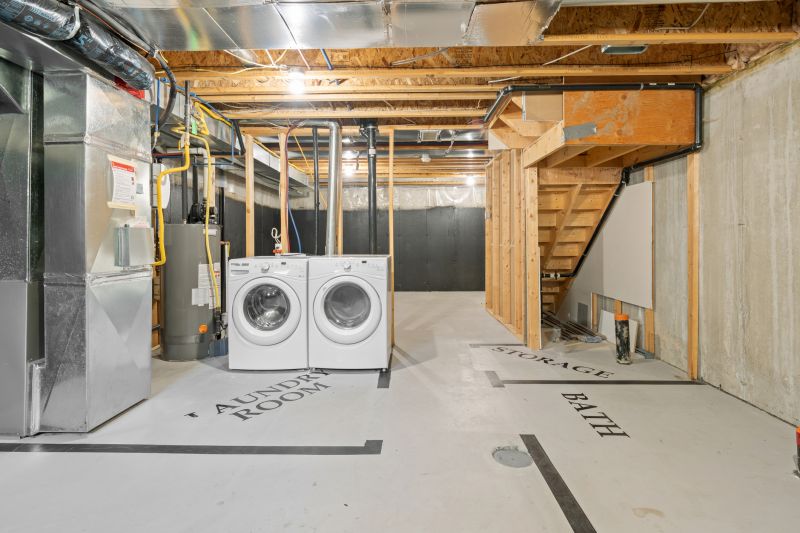
Before comparing options, clearly describe your basement drying project to help local contractors recommend the best solutions.
- Inspect for signs of excess moisture or standing water in the basement. Consider hiring local contractors to evaluate and address water intrusion issues.
- Check for mold growth or musty odors that indicate persistent dampness. Local service providers can identify and remediate mold problems effectively.
- Ensure basement vents and dehumidifiers are functioning properly to reduce humidity levels. Trust local pros to optimize ventilation systems for drying and moisture control.
- Look for cracks or gaps in foundation walls and floors that could allow water entry. Experienced contractors can seal and repair these vulnerabilities.
- Assess the basement’s drainage system, including gutters and sump pumps, for proper operation. Local experts can service and improve drainage to prevent future moisture issues.
- Evaluate basement materials and furnishings for water damage or deterioration. Service providers can recommend appropriate drying and restoration solutions.
Use this as a springboard to explore how local contractors can help with basement drying projects.
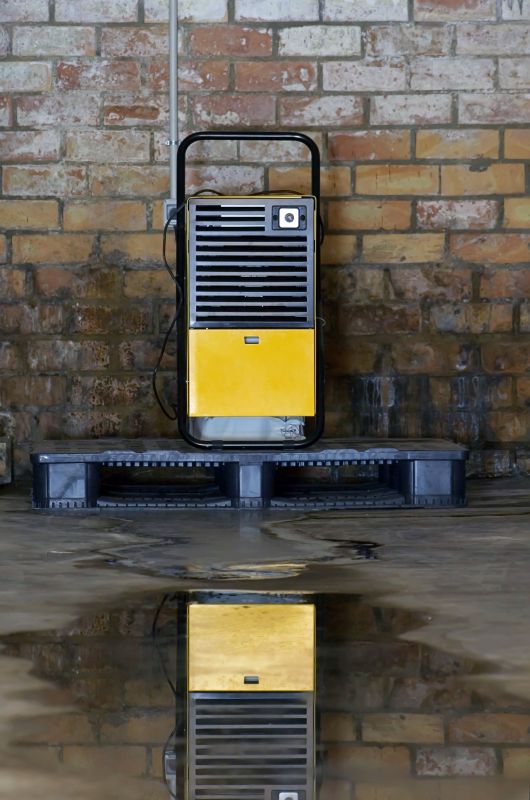
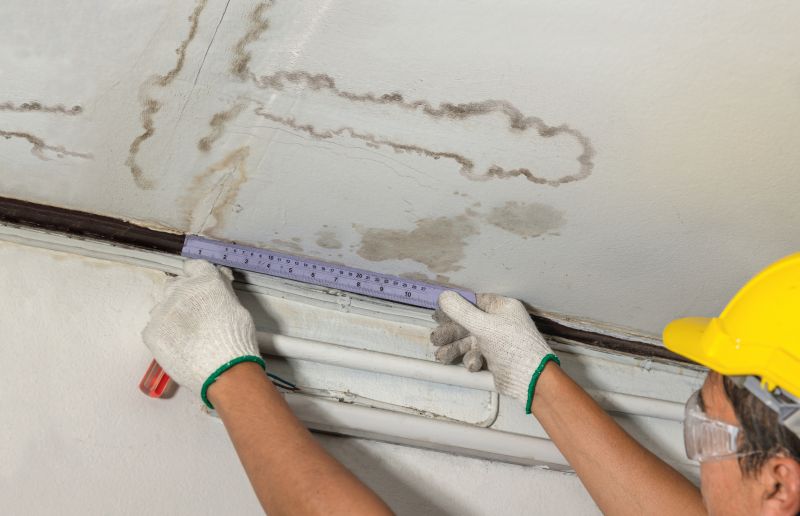
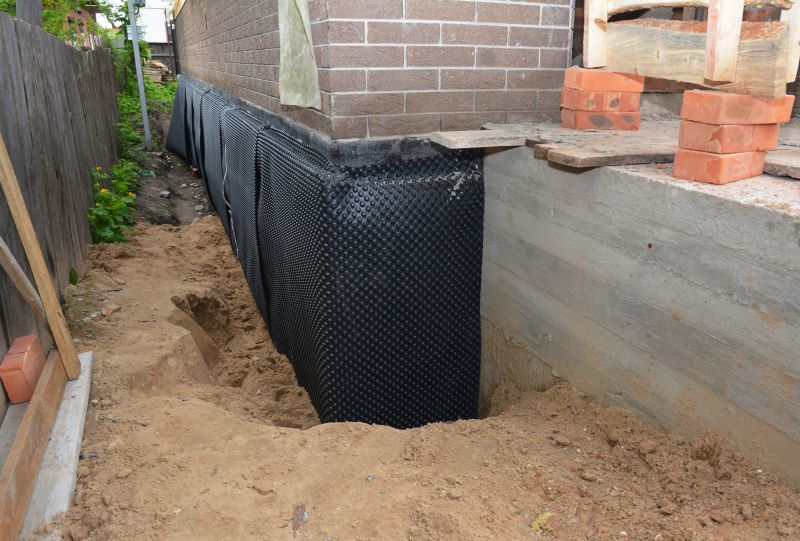
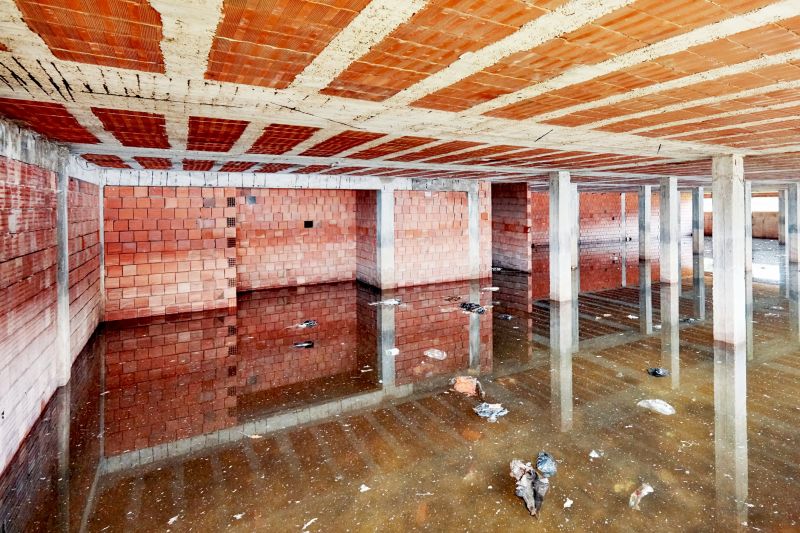
Prioritize your basement drying needs and compare local contractors to find the best fit for your spring project.
- Assessing Moisture Levels - Spring is an ideal time to evaluate basement moisture and identify areas prone to dampness. Local contractors can provide inspections to determine the extent of moisture issues.
- Improving Ventilation - Enhancing airflow with proper ventilation systems can help reduce humidity levels in the basement during the spring season. Service providers can install or upgrade ventilation solutions.
- Sealing Cracks and Gaps - Repairing foundation cracks and sealing gaps around windows and doors can prevent water intrusion as spring rains begin. Experienced contractors can handle these sealing projects effectively.
- Installing Dehumidifiers - Adding or upgrading dehumidification equipment can control excess moisture in the basement environment. Local specialists can recommend and install suitable dehumidifier systems.
- Managing Drainage Systems - Spring project planning often includes improving yard drainage and gutter systems to direct water away from the foundation. Service providers can assist with drainage assessments and installations.
Compare local contractors' basement drying solutions to ensure consistent quality and effective springtime moisture control.
- Assess Moisture Levels - Determine the extent of moisture infiltration and identify areas requiring drying or treatment.
- Identify Source of Water - Locate and evaluate the source of water intrusion to inform effective drying strategies.
- Evaluate Ventilation Needs - Review existing ventilation systems and determine additional airflow requirements for effective drying.
- Check Structural Conditions - Inspect basement structures for damage or conditions that may hinder drying efforts.
- Determine Material Impact - Assess the types of materials present to understand potential drying challenges and appropriate methods.
When evaluating service providers for basement drying during the spring season, it is helpful to consider their experience with similar projects. Homeowners should seek out local contractors who have a track record of addressing moisture issues in basements, particularly those that arise from seasonal changes. This familiarity can indicate a better understanding of the unique challenges presented by spring weather, such as increased humidity and potential water intrusion, ensuring the chosen professional has the practical knowledge to handle the job effectively.
Clear communication about the scope of work is essential when comparing options. Homeowners are encouraged to request detailed descriptions of services, including the methods and equipment that will be used to dry the basement thoroughly. A well-defined scope helps prevent misunderstandings and ensures that all parties are aligned on project expectations. Service providers who can articulate their process clearly demonstrate professionalism and a commitment to transparency, making it easier to assess their suitability for the project.
Work planning considerations are another important factor in selecting a local contractor. Homeowners should inquire about how each service provider approaches project scheduling, preparation, and coordination. Effective planning includes assessing site conditions, determining necessary preparations, and establishing a logical sequence of steps to ensure a smooth and efficient process. Providers who emphasize thoughtful planning are more likely to deliver consistent results and minimize disruptions during the drying process.
Finally, evaluating options without focusing on pricing involves examining the quality of service, experience, and communication. Homeowners can compare how each contractor explains their approach, their attention to detail, and their ability to address specific concerns related to springtime basement moisture issues. Considering these qualitative aspects helps identify professionals who are well-equipped to deliver reliable results, making it easier to choose a service provider that aligns with the project’s needs and expectations.
Request written details to ensure the scope of basement drying aligns with your spring renovation plans.
- Scope Clarification - What specific drying services do local contractors include in their spring basement drying options?
- Service Comparison - How do different providers approach moisture removal and mold prevention during basement drying?
- Equipment and Methods - What types of drying equipment and techniques do local service providers typically use in spring projects?
- Experience and Specialization - How do local contractors’ experience levels influence their approach to basement drying in spring?
- Scope Limitations - What types of basement issues are typically covered by local providers’ drying services and what might be outside their scope?
What causes basement moisture in spring? Spring weather changes can lead to increased humidity and water seepage, resulting in basement dampness that may require professional drying solutions.
How can I tell if my basement needs drying services? Signs include visible water stains, musty odors, mold growth, or persistent dampness even after ventilation efforts.
What methods do local contractors use to dry basements? They typically use dehumidifiers, industrial fans, and moisture removal techniques to effectively reduce humidity and dry out affected areas.
Are there preventive steps to avoid basement moisture in spring? Proper drainage, gutter maintenance, and ensuring good ventilation can help prevent moisture buildup during the season.
What should I consider when choosing a basement drying service? Look for experienced local service providers with good reviews and clear process explanations to ensure effective moisture removal.
How does spring impact basement drying needs? Increased spring humidity and rain can raise moisture levels, making professional drying services important for maintaining a dry basement environment.
Spring is a great time to address basement moisture concerns and ensure your space stays dry and comfortable. Visitors have learned that professional basement drying services can help manage excess humidity, prevent mold growth, and protect belongings from water damage. By exploring options with local contractors, homeowners can find solutions tailored to their specific needs and circumstances.
To make an informed choice, consider using the quote form to compare local service providers specializing in basement drying. Connecting with experienced local contractors allows for personalized guidance and support, helping to identify the best approach for your basement’s unique situation.
Providing clear details about your basement drying needs helps local contractors understand your project and connect you with suitable service providers.
- Water Damage Assessment - Share details about the extent and sources of water intrusion in the basement.
- Drying Goals - Describe the desired moisture levels and specific areas needing drying or dehumidification.
- Existing Conditions - Provide information on current basement conditions, such as insulation, flooring, and ventilation.
- Previous Repairs - Mention any prior water damage repairs or moisture issues that may affect drying strategies.